Description
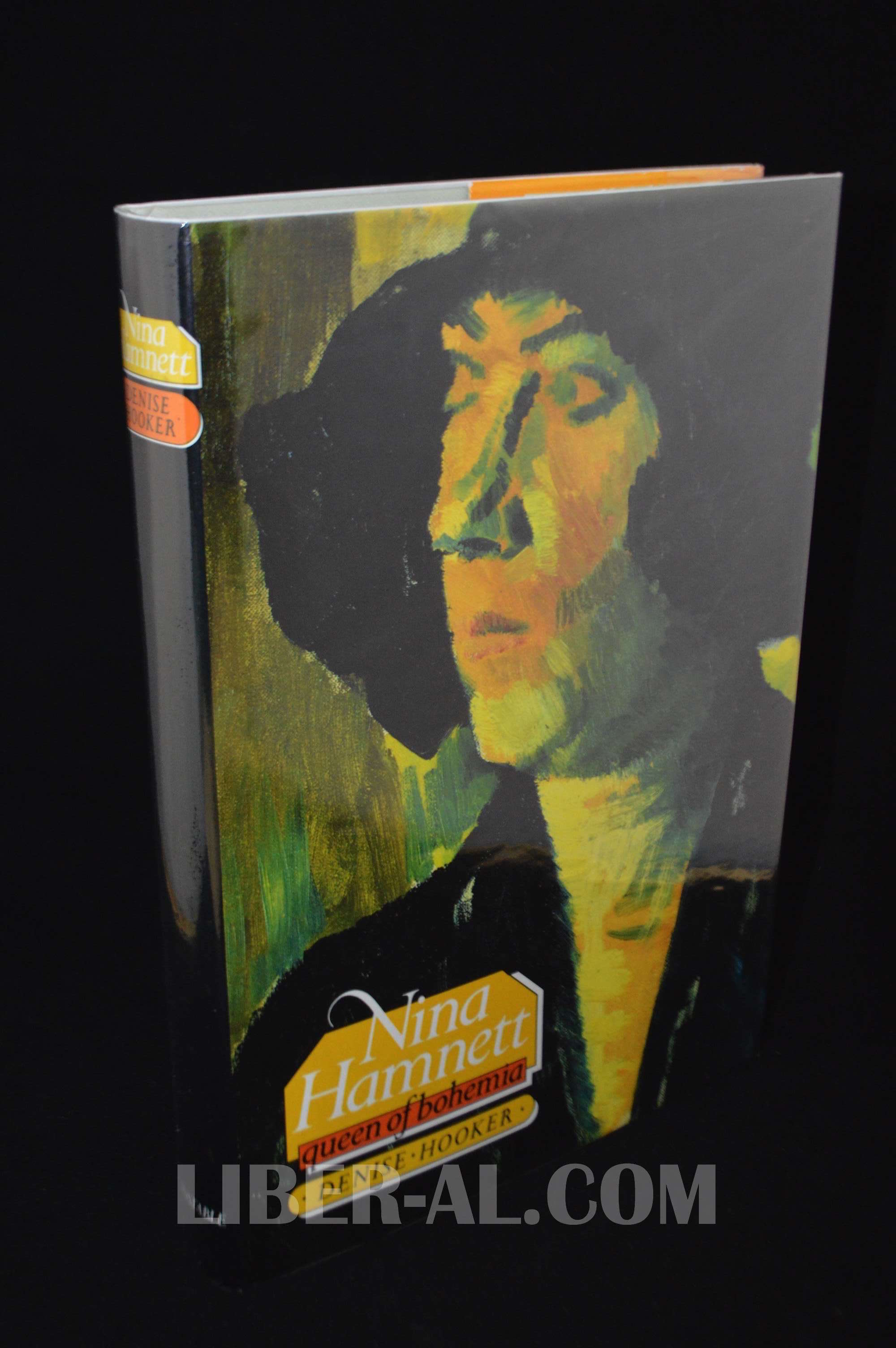
Nina Hamnet; Denise Hooker
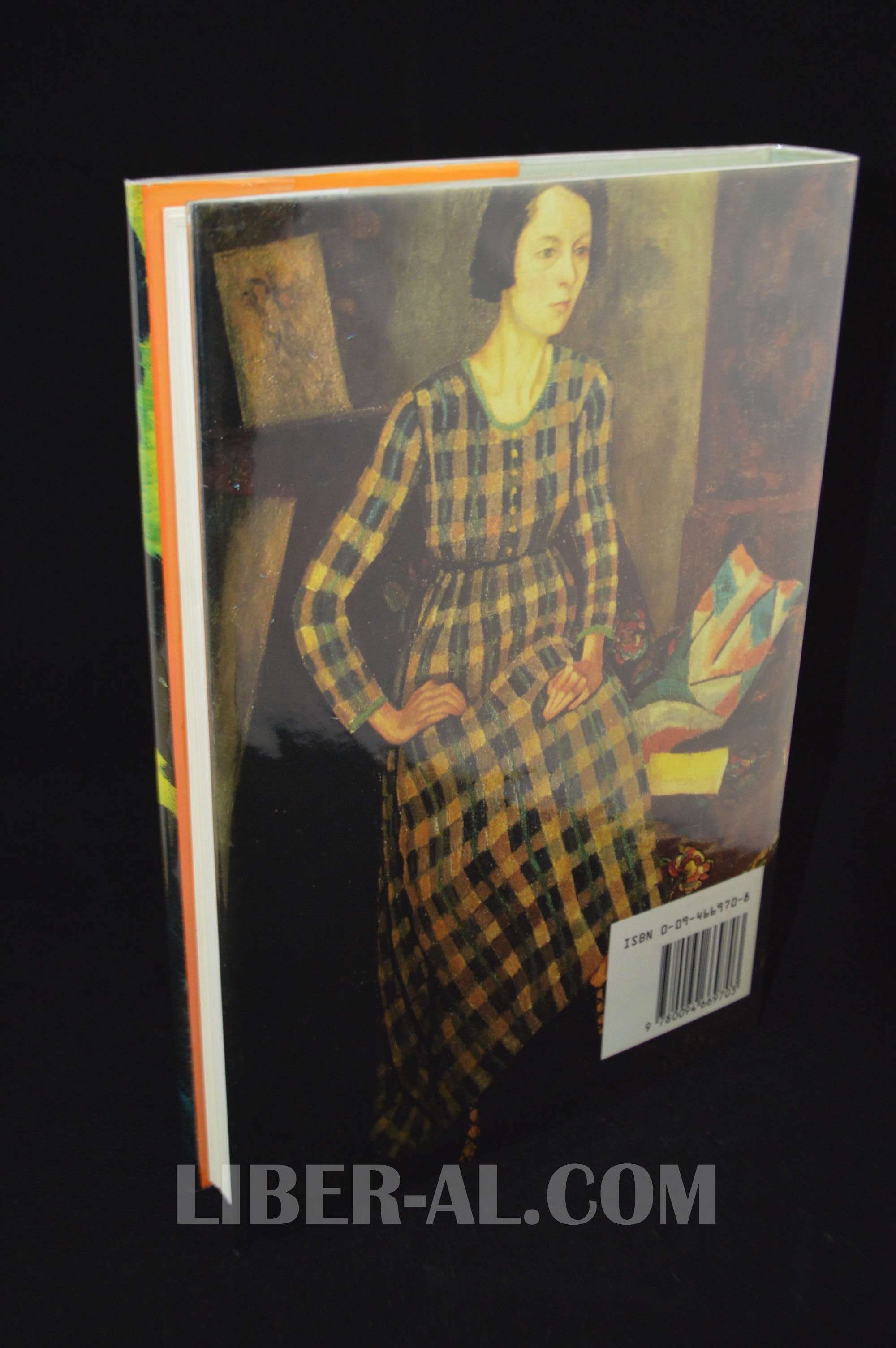
Constable, London, 1986. Hardcover. First Edition. 288 pages. Mylar protected unclipped dust-jacket. An extremely well preserved almost as new, unread or barely read copy in an almost as new dust-jacket (minute speck of rub to flap fold corner tips, looks new in its protective mylar cover. Near Fine.
Nina Hamnett (1890-1956), talented artist and legendary queen of bohemia in London and Paris, was immortalized in the paintings, sculptures, novels, poems, diaries and memoirs of her contemporaries; while her portraits of her famous friends are amongst her finest work. Her friendships with Sickret, Augustus John, Wyndham Lewis, the Sitwells, Nancy Cunard and the ‘Bloomsberries’ cut across the rival artistic coteries of the time. Her many lovers included Gaudier-Brzeska and Roger Fry. In Paris before the First World War, where she danced naked at studio parties, she was a close friend of Modigliani. Her talents as a painters and draughtswoman made her an important member of the English modern movement and she was a mainstay of Fry’s Omega Workshops. Nina was a best-known British woman painter in Paris in the twenties, friendly with Ford Madox Ford, Joyce, and Gertrude Stein as well as Princess Violette Murat, Cocteau, Radiguet, Satie, Stravinsky and Les Six. Back in England she lived in the composer Peter Warlock’s bizarre household, exhibited widely and collaborated on a book with Osbert Sitwell. The book, which is largely based on personal interviews and original research, is an account of Nina’s life, her work and the bohemian world she lived in.
Flamboyantly unconventional, and openly bisexual, Hamnett once danced nude on a Montparnasse café table just for the “hell of it”. She drank heavily, was sexually promiscuous, and kept numerous lovers and close associations within the artistic community, having affairs with writers and artists including Gaudier-Brzeska, Modigliani, Roger Fry, Pablo Picasso, and Jean Cocteau.
In 1932 Hamnett published Laughing Torso, a tale of her bohemian life, which became a bestseller in the UK and US. The notorious occultist Aleister Crowley unsuccessfully sued her and the publisher for libel over allegations of black magic made in her book.
Although she won the case, the situation profoundly affected her for the remainder of her life. Alcoholism would soon overtake her many talents and the tragic “Queen of the Fitzroy” spent a good part of the last few decades of her life at the bar, (usually that of the Fitzroy Tavern), trading anecdotes for drinks.